Nariman Point

About

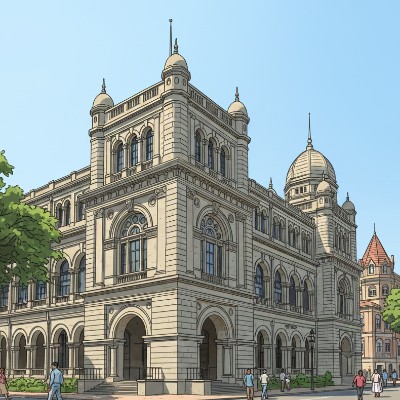
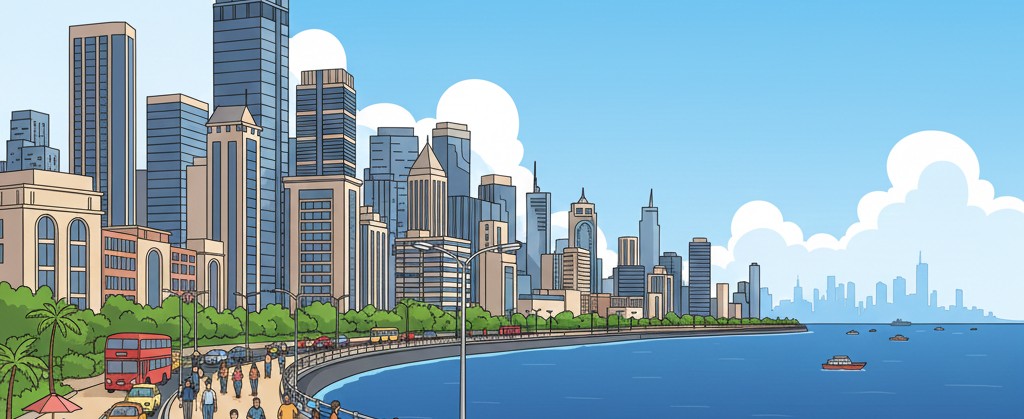
Nariman Point is one of Mumbai’s most prestigious waterfront locations, offering a vibrant mix of business culture, leisure spaces and panoramic sea views. As the southern tip of the famous Marine Drive, it forms a major piece of the city’s heritage and urban identity. The area attracts travellers who want to explore Mumbai’s modern side while staying close to its coastal beauty. Skyscrapers, luxury hotels, government buildings and cultural venues line the district, creating an atmosphere that is both dynamic and scenic.

Visitors often begin their experience with a gentle walk along the promenade, where the Arabian Sea breeze and the sound of waves create a soothing escape from the city’s rush. Nariman Point is equally popular for sunrise and sunset viewing, when the skyline transforms with changing colours. The lights from Marine Drive form the iconic Queen’s Necklace, a visual treat that has become one of Mumbai’s most recognisable sights.

Beyond its waterfront appeal, the area also acts as a gateway to several important attractions. Popular theatres, art galleries, shopping avenues and dining spots are close by, allowing visitors to enjoy the best of Mumbai’s cultural and modern offerings. Its strategic location also makes it a preferred base for business travellers who want quick access to the city’s commercial hubs.

Here are some highlights that make Nariman Point special:

  • Known for exceptional sea-facing views and refreshing open-air ambience

  • Forms the endpoint of the world-famous Marine Drive promenade

  • Surrounded by major commercial buildings and cultural centres

  • Offers convenient access to Churchgate, Colaba and South Mumbai attractions

  • A favourite spot for photography, morning walks and evening hangouts

Whether you want a peaceful place to relax by the sea or a modern urban setting for sightseeing, Nariman Point offers an experience that blends charm, convenience and iconic views. It remains a timeless part of Mumbai’s coastal identity, loved by tourists, walkers and locals alike.
Nariman Point

History

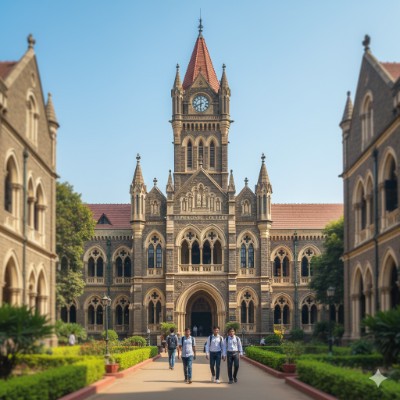
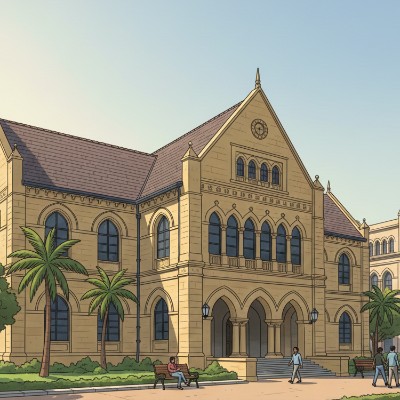
Nariman Point, a historic landmark in Mumbai, was developed in the late 20th century as part of a major land reclamation project that expanded the city’s coastline. Named after Khursheed Framji Nariman, a former municipal corporator known for his urban development initiatives, the area transformed from a reclaimed stretch into one of India’s most prestigious business districts.

Its development marked a new phase in Mumbai’s growth, symbolising modern architecture, commercial expansion and coastal enhancement. Over time, Nariman Point became home to prominent offices, government establishments and cultural venues, shaping its identity as a hub of commerce and urban prestige.

  • Built through extensive land reclamation efforts that reshaped the South Mumbai coastline
  • Named after Khursheed Framji Nariman, who championed civic progress
  • Gained prominence in the 1970s and 1980s as India’s top business district
  • Surrounded by important cultural and economic institutions


Facts & Figures

Nariman Point stands as one of Mumbai’s most recognisable urban landmarks, combining coastal beauty with commercial significance. Over the years, it has become a hub that showcases the city’s architectural strengths, visitor appeal and economic importance.

Nariman Point location at the tip of Marine Drive makes it a popular spot for tourists, walkers and photographers who want to capture Mumbai’s iconic skyline. The blend of offices, open spaces and sea-facing viewpoints gives the area a unique balance of work and leisure.

  • Elevation is close to sea level due to reclaimed land foundation
  • Peak business hours attract thousands of office-goers
  • Popular for sunrise and sunset viewing all year round
  • Forms part of the 3.6 km long Marine Drive promenade
  • Known for its high-density commercial towers and cultural proximity


Current Scenario

Nariman Point today remains one of Mumbai’s most active and premium waterfront districts, blending corporate energy with relaxed seaside experiences. The promenade continues to attract walkers, joggers and tourists throughout the day, while the business towers keep the area bustling during office hours.

The spot is also popular for peaceful evenings when people gather to enjoy cool sea breeze and the glowing view of Marine Drive. Regular maintenance and civic upgrades have helped preserve its charm, making it a clean, safe and accessible public space. Occasional events, cultural gatherings and seasonal festivals also add to the atmosphere.

  • Regular police patrolling and CCTV surveillance ensure safety
  • Evening crowd increases, especially during weekends
  • Frequent joggers, cyclists and office-goers throughout the day
  • Nearby cultural centres host events that attract visitors
  • Continuous beautification and upkeep by local authorities


Sunset & Skyline Viewing Point

Nariman Point is one of Mumbai’s most admired sunset and skyline viewing locations, drawing tourists, walkers and photographers throughout the day. The promenade faces the Arabian Sea directly, offering a clear and wide horizon where the sun dips beautifully every evening.

As night approaches, the sweeping curve of Marine Drive lights up, forming the world-famous Queen’s Necklace, a sight that captivates visitors with its glowing charm. The gentle sea breeze, open seating area and uninterrupted views make Nariman Point a preferred spot for capturing golden-hour scenes, night photography and long exposure shots. It remains a serene escape within the bustling heart of the city.

  • One of Mumbai’s top sunset and skyline viewpoints
  • Clear panoramic view of the Arabian Sea
  • Golden hour and night photography hotspot
  • Perfect view of Marine Drive turning into the Queen’s Necklace
  • Peaceful ambience ideal for evening relaxation
Business District

Nariman Point stands as one of India’s earliest and most prominent business districts, marking Mumbai’s rise as a commercial powerhouse. Built on reclaimed land, it soon attracted top corporate offices, government departments and financial institutions throughout the 1970s and 1980s.

The area continues to host key commercial towers that define Mumbai’s professional culture and high-rise skyline. Even today, Nariman Point remains a crucial centre for business travellers, with its blend of coastal views, easy transport access and proximity to major commercial zones. Its architecture and planning reflect Mumbai’s evolution into a modern economic hub.

  • One of India’s earliest central business districts
  • Hosts corporate, government and commercial offices
  • Developed significantly during the 1970s and 1980s
  • Known for high-rise towers and professional activity
  • Important commercial hub with strong connectivity


Best Time to Visit

The best time to visit Nariman Point is during the cooler months from November to February, when the weather is pleasant for walking along the promenade and enjoying sea views. Early mornings and evenings offer the most comfortable temperatures along with beautiful light for photography and skyline viewing.

The monsoon season, though scenic, can bring strong waves and slippery surfaces, making it less ideal for long strolls. Summer afternoons can feel hot due to humidity, but evenings remain refreshing with strong sea breeze. Many visitors also prefer weekends for a relaxed atmosphere, while weekdays reflect the district’s busy corporate rhythm.

  • November to February offers the most pleasant weather
  • Early mornings and sunsets provide the best views
  • Monsoons are scenic but not ideal for long walks
  • Summer evenings remain breezy despite daytime heat
  • Weekends are quieter and more relaxed for tourists


Timings, Entry Fees & Rules

Nariman Point is an open public waterfront space, accessible to visitors at all hours of the day. There is no entry fee, making it one of Mumbai’s most popular free attractions for walks, photography and skyline viewing.

The area is busiest during office hours on weekdays, while evenings and weekends draw tourists and families who come to enjoy the sea breeze and sunset views. Visitors are expected to follow basic public guidelines to maintain cleanliness and safety. Although the promenade is open 24x7, late-night visits should be approached with general caution.

  • Open 24 hours for the public
  • No entry fee for visitors
  • Peak crowd during evenings and weekends
  • Avoid walking close to the edge during high tide
  • Maintain cleanliness and avoid littering
  • Follow police and security instructions when present


*Disclaimer: Timings and access conditions may change during maintenance or safety advisories. Please verify locally if needed.*


How to Reach

Reaching Nariman Point is convenient due to its central location in South Mumbai and strong connectivity with major transport modes. The area is well-linked by road, railway and air routes, making it easily accessible for both local and international travellers.

Nariman Point proximity to Churchgate and Marine Drive ensures a seamless commute for visitors who want quick access to the waterfront promenade and nearby attractions.

  • By Air: The nearest airport is Chhatrapati Shivaji Maharaj International Airport, located around 25 to 30 km away. Visitors can hire taxis or app-based rides to reach Nariman Point via the Western Express Highway and Marine Drive. Travel time is usually 45 minutes to 1.5 hours depending on traffic.

  • By Train: The closest station is Churchgate, just 2 km away. Travellers can take a taxi, bus or walk along Marine Drive for a scenic route. Other stations like Mumbai Central and CSMT also offer direct road connectivity.

  • By Road / Metro: Nariman Point is well connected through BEST buses, taxis and private vehicles. Landmarks like Marine Drive, Churchgate and Mantralaya fall on the way. Metro lines are upcoming and will improve connectivity further. Drivers from North Mumbai can reach via the Coastal Road or Marine Drive.
Tips & Hacks

Visiting Nariman Point becomes more enjoyable when you know a few practical travel tips that help you make the most of your time. The area is a mix of business activity and scenic seafront relaxation, so planning your visit around peak hours can enhance your experience.

Early mornings and evenings offer the best weather and views, while carrying essentials like water and comfortable footwear makes walking along the promenade easier. Being a public space, it is important to follow safety and cleanliness guidelines. Photography lovers will find the skyline, sea and evening lights perfect for capturing memorable shots.

  • Visit during early morning or sunset for best photos and comfort
  • Wear comfortable shoes for long walks along the promenade
  • Keep your belongings secure during crowded hours
  • Avoid going too close to the sea wall during high tide
  • Best days to visit: weekends for leisure, weekdays for quieter mornings
  • Carry water and light snacks, as options on the promenade are limited
  • Ideal for night photography due to the Queen’s Necklace views


Recommendations for Tourists

Nariman Point offers a mix of modern city vibes and peaceful sea views, making it suitable for all types of travellers. Local tourists can enjoy relaxing strolls, stunning sunsets and easy access to nearby attractions such as Marine Drive and Churchgate.

International travellers will appreciate the unique blend of coastal ambience, vibrant city life and Mumbai’s iconic skyline. Guided walks, photography tours and leisurely evening visits are ideal ways to experience this seafront destination.

Budget-friendly outings, premium dining options nearby and the open promenade make Nariman Point a flexible addition to any Mumbai itinerary.

  • For Local Tourists: Ideal for morning walks, sunset viewing and photos; great for weekends; easy to combine with Marine Drive or Churchgate visits

  • For International Tourists: Ideal for skyline photography and guided walks; explore nearby cultural centres; visit in evenings for the Queen’s Necklace view

  • Suggested Itinerary Slot: Best as an evening or late-afternoon activity for pleasant weather and scenic views


Food Courts / Food Options Nearby

Nariman Point offers a variety of food options ranging from quick bites to premium dining, making it convenient for visitors with any budget. The area has popular cafés, business-lunch restaurants, sea-facing eateries and several affordable snack joints within walking distance. Whether you want a light meal after a walk on the promenade or a fine-dining experience with skyline views, the neighbourhood has something for everyone.

  • Cafe Coffee Day – coffee, snacks, light meals – approx ₹200 to ₹350 per person
  • Pizza by the Bay – pizzas, continental dishes – approx ₹500 to ₹900 per person
  • Status Restaurant – vegetarian meals and thali – approx ₹300 to ₹500 per person
  • Oberoi Hotel Restaurants – premium dining – approx ₹1500 to ₹3000 per person
  • Nanking Chinese Restaurant – Chinese cuisine – approx ₹400 to ₹700 per person
  • Street-side snack stalls – bhel puri, sandwiches, juices – approx ₹50 to ₹150 per person

Must Try (Budget-Friendly):

  • Bhel puri and sev puri – approx ₹50 to ₹80
  • Grilled sandwiches near Churchgate – approx ₹80 to ₹120

Suggested Food Options:

  • Premium meal: Seafront fine dining at the Oberoi
  • Casual meals: Pizza by the Bay or Status Restaurant
  • Quick bites: Promenade stalls and small cafés
Additional Notes / Fun Facts

Nariman Point holds a special place in Mumbai’s cultural and visual identity. The area has long been featured in Bollywood films, television shows and advertisements because of its stunning skyline and seafront views.

The curvature of Marine Drive that forms the Queen’s Necklace is one of the most photographed night scenes in India. Nariman Point is also known for its unique wind patterns, keeping the evenings breezy even during warm months.

Many office-goers step out during sunset to enjoy the relaxing atmosphere before returning to the city rush. Its blend of business, leisure and urban charm makes it a timeless attraction for visitors.

  • Featured in Bollywood films and TV scenes
  • Known for strong sea breeze throughout the year
  • Queen’s Necklace view is iconic for night photography
  • Popular spot for long exposure shots and skyline framing
  • One of the earliest reclaimed business zones in India


Places Nearby Nariman Point
Frequently Asked Questions
Q1: What is the best time to visit Nariman Point in Mumbai?
A1: The best time to visit Nariman Point in Mumbai is from November to February, especially during early morning and sunset hours for comfortable weather and scenic views.
Q2: Is there any entry fee to visit Nariman Point?
A2: There is no entry fee to visit Nariman Point; it is a completely free public promenade open to everyone.
Q3: What are the opening hours of Nariman Point?
A3: Nariman Point is open 24 hours a day, allowing visitors to enjoy sunrise, sunset and night views anytime.
Q4: How do I reach Nariman Point from Churchgate Station?
A4: You can reach Nariman Point from Churchgate Station by taxi, bus or a scenic 15-20 minute walk along Marine Drive.
Q5: Is Nariman Point safe to visit at night?
A5: Nariman Point is generally safe at night due to police patrolling and crowd presence, but visitors should follow normal safety precautions.
Q6: What is Nariman Point famous for?
A6: Nariman Point is famous for its seafront promenade, skyline views, the Queen’s Necklace, business district and beautiful sunsets.
Q7: Is photography allowed at Nariman Point?
A7: Yes, photography is allowed at Nariman Point, making it a popular spot for skyline shots, sunset photos and night photography.
Q8: What is the nearest railway station to Nariman Point?
A8: The nearest railway station to Nariman Point is Churchgate, located about 2 km away.
Q9: Can I see the Queen’s Necklace from Nariman Point?
A9: Yes, Nariman Point offers one of the best views of the illuminated Queen’s Necklace along Marine Drive, especially after sunset.
Q10: Are there food options available near Nariman Point?
A10: Yes, several cafés, restaurants and street-food stalls near Nariman Point offer meals ranging from snacks to fine dining.
Q11: Is Nariman Point suitable for family visits?
A11: Nariman Point is family-friendly, offering open spaces, sea views and a safe promenade ideal for relaxed outings.
Q12: What are the best things to do at Nariman Point?
A12: Popular activities at Nariman Point include watching sunsets, taking long walks, enjoying sea views, photography and relaxing by the promenade.
Q13: Is parking available near Nariman Point?
A13: Limited roadside parking is available around Nariman Point, but visitors often prefer taxis or public transport due to peak-hour congestion.
Q14: Does Nariman Point get crowded on weekends?
A14: Yes, Nariman Point gets quite crowded on weekends, especially during sunset hours when tourists and locals gather.
Q15: Is it safe to visit Nariman Point during monsoon?
A15: You can visit Nariman Point during monsoon, but avoid going too close to the sea wall as waves can be strong and the promenade may get slippery.